

Exploring the Future of CO₂ Transport: Insights from the UKCCSRC Workshop
News & Blogs
30 March 2026
Cardiff University hosted a workshop that brought together experts to explore the emerging landscape of non-pipeline CO₂ transport.
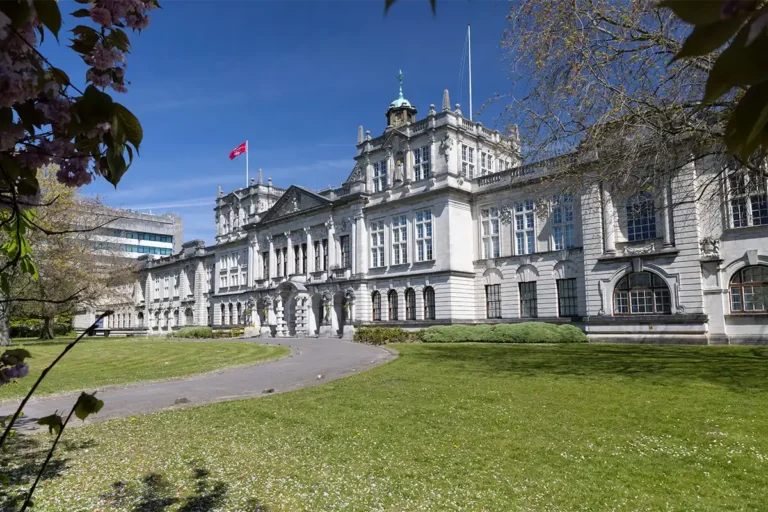
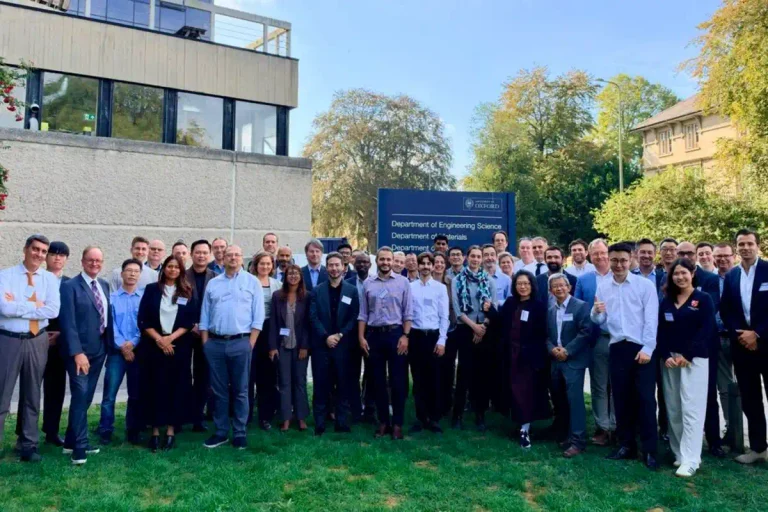
On 25th March 2026, Cardiff University hosted a workshop organised by the UKCCSRC, bringing together experts from industry, academia, and government to explore the emerging landscape of non-pipeline CO2 transport. IEAGHG’s Frank Thomas and Nicola Clarke were among the participants who joined a full day of presentations and discussions spanning rail, road, maritime transport, and the regulatory frameworks shaping this evolving sector.
With four focused sessions and an impressive set of speakers curated by Richard Marsh of Cardiff University, the workshop offered a comprehensive look at how multi‑modal CO2 transport can accelerate CCS deployment across the UK and Europe.
Decarbonising Wales: Connecting Pembroke Power Station to Offshore Storage
The day began with a look at regional decarbonisation efforts. Nick Pritchard of RWE outlined plans to retrofit two units of the gas-fired Pembroke Power Station in Milford Haven. Once designed for baseload operation, the plant is now a critical source of flexible energy for Wales, recording around 150 starts per unit in 2025.
A key element of the decarbonisation plan is a pipeline linking the station to a nearby LNG facility, enabling CO2 conditioning, buffer storage, and onward ship transport to the Acorn storage site. Pritchard emphasised that a clear policy signal from the UK Government is essential to progressing towards FEED and FID.
Lewis Smith from ABP, the UK’s largest port operator, followed with insights into how ports can play a central role in decarbonisation—both through reducing their own emissions and by providing strategic access to infrastructure that supports CCS value chains.
Rounding out the session, Elena Catalanotti of UCL presented a multicriteria optimisation model designed to help project developers identify the best CO2 transport mode based on cost, environmental impact, and safety. A compelling case study from Piacenza, Italy, illustrated how such a model can guide real-world planning.
Understanding the Regulations: Moving CO2 Safely
The second session turned to regulation and safety—critical components of any CO2 transport system.
Elizabeth Shovelton, Head of Dangerous Goods at the UK Department for Transport, unpacked the UN classification system that governs how hazardous materials, including CO2, must be transported across different modes. She highlighted the requirement for certified containers, proper labelling, and qualified drivers, noting that air transport remains the most tightly regulated while inland waterways face restrictions.
Next, Keith Birch of 7CO2 shared updates on their flexible CO2 transport plans at Avonmouth in Bristol, including a proposed two‑mile pipeline connecting waste‑to‑energy plants (Viridor and SUEZ) and potentially SSE Thermal’s gas plant to a rail terminal, with liquefaction and buffer storage at the port.
From Shore to Ship: Modelling Maritime CO2 Transport
The afternoon saw a shift toward maritime logistics.
Andrew Fay of Crondall Energy presented fascinating modelling work for the Trudvang CCS project in the Norwegian North Sea, where ships would deliver CO2 directly to a platform for injection. Because weather conditions can interrupt offloading operations, Crondall used a decade of ocean data to calculate the optimal buffer storage needed at the quay. Their findings highlight the delicate balance between operational resilience and oversizing costs—particularly given the occasional severe storms that could force venting events every few years.
Joining virtually, Simon Roussanaly from SINTEF expanded the discussion with modelling insights comparing pipeline and ship transport options for North Sea CO2 flows.
Risk, Safety, and the Need for Large‑Scale Testing
The final session focused squarely on safety and risk management.
Simon Gant of the HSE (UK regulator) emphasised the pressing need for large‑scale experimental data on catastrophic CO2 vessel failures. While projects like SKYLARK are advancing understanding of pipelines, significant gaps remain for transport vessels. Such data is essential for building robust safety cases as multi‑modal CO2 transport becomes mainstream.
Concluding the technical talks, Kumar Patchigolla from the Net Zero Industry Innovation Centre in Teesside provided an overview of cutting‑edge work underway in the region, particularly around accidental CO2 leakage testing in shipping scenarios.
Key Takeaways: A Multi-Modal Future with Collaboration at Its Core
The workshop closed with lively discussion and consensus around several themes:
- Multi‑modal transport is both necessary and feasible, offering flexibility to connect diverse emitters with storage sites.
- Road transport raises concerns due to the potential increase in heavy vehicle movements in the UK.
- Rail transport is seen as reliable and under‑utilised, offering significant capacity.
- Ongoing research and collaborative data sharing will be essential to optimise transport networks and ensure public and environmental safety.
The insights gathered will help shape future research priorities and industry coordination.
A big thank‑you to UKCCSRC for organising a highly engaging and timely workshop—one that clearly demonstrated the momentum building behind CO2 transport innovation across the UK and Europe.
Other articles you might be interested in

Get the latest CCS news and insights
Get essential news and updates from the CCS sector and the IEAGHG by email.
Can't find what you are looking for?
Whatever you would like to know, our dedicated team of experts is here to help you. Just drop us an email and we will get back to you as soon as we can.
Contact Us Now