

Inspiring the Next Generation of CCS Leaders: Highlights from the IEAGHG International CCS Summer School 2026
News & Blogs
8 July 2026
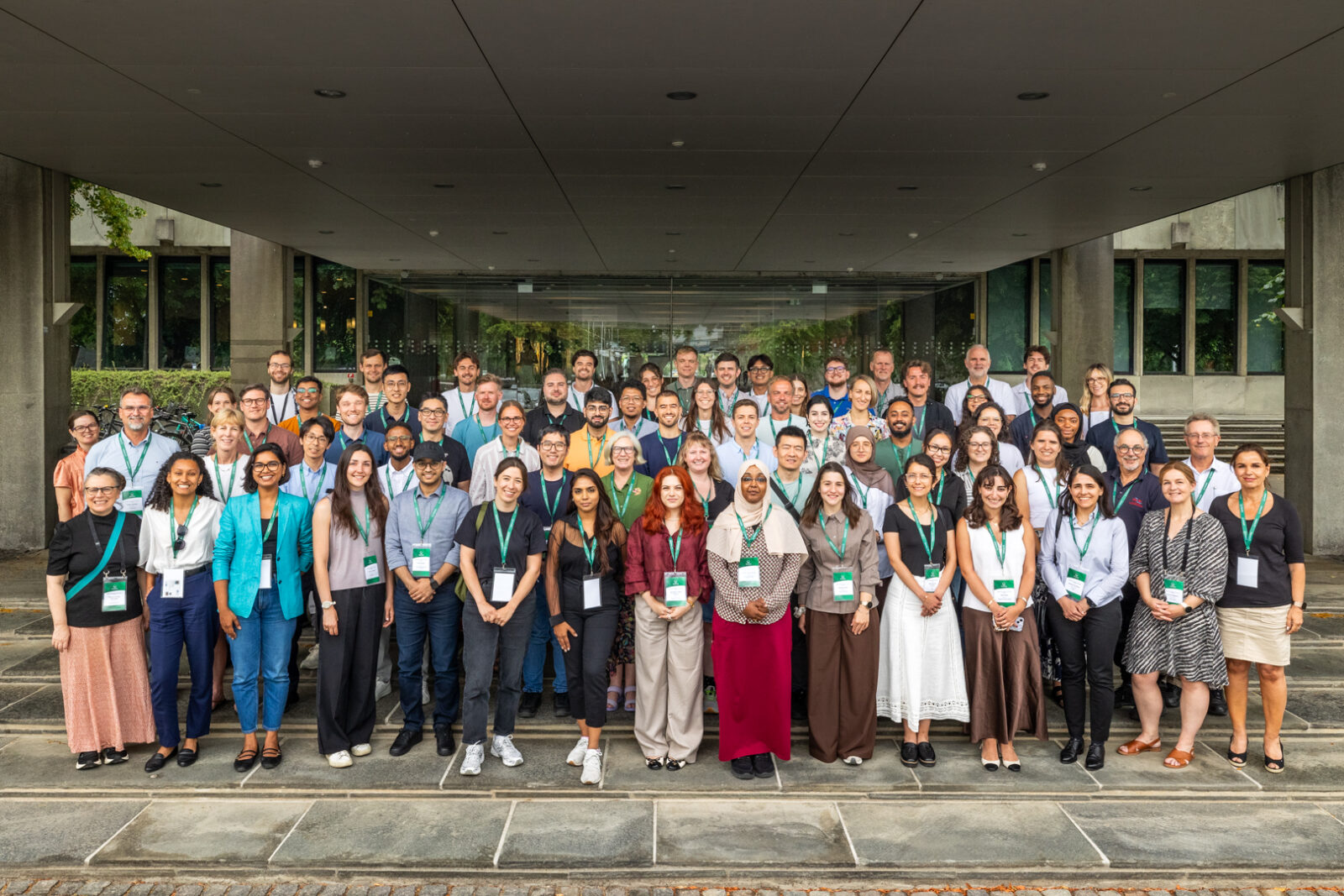
Last week, IEAGHG welcomed 49 students to Denmark for its yearly Summer School, which was hosted by INNO-CCUS. 36 nationalities from 31 countries were represented, and this was another 2026 IEAGHG Summer School that brought together students, post-grads and early-career professionals from around the world for an immersive week of technical learning, discussion and collaboration focused on carbon capture, utilisation and storage (CCUS).
The 2026 IEAGHG Summer School programme offers participants a thorough understanding of the entire CCUS value chain, beginning with the role of CCUS in addressing climate change and progressing through every stage of project development.
The week opened with an introduction to IEAGHG and the current global status of CCS deployment before examining the policy and regulatory frameworks that are enabling projects around the world.
Capture technologies formed a major part of the programme, with expert-led sessions covering post-combustion capture, emerging capture technologies, CO₂ conditioning and the challenges of scaling technologies from research to commercial deployment. Transport infrastructure was explored through presentations on pipelines, shipping and the management of CO₂ impurities, highlighting the critical role transport networks play in connecting emitters with permanent storage sites.
Participants explored the science and engineering behind geological storage. Sessions covered reservoir characterisation, modelling, monitoring and verification, well integrity, pressure management, induced seismicity, environmental considerations and subsurface mineralisation. Together, these presentations demonstrated the rigorous scientific and engineering principles that underpin safe, long-term CO₂ storage.
Recognising the rapidly evolving landscape of carbon management, the programme also examined complementary technologies that will play an increasingly important role in achieving net zero emissions. Students explored hydrogen production with CCS, bioenergy with carbon capture and storage (BECCS), direct air capture (DAC), CO₂ utilisation and the role of CCS in decarbonising power generation and hard-to-abate industrial sectors. Sessions on economics, financing, business models and carbon accounting provided valuable insight into the commercial realities of delivering successful CCS projects.
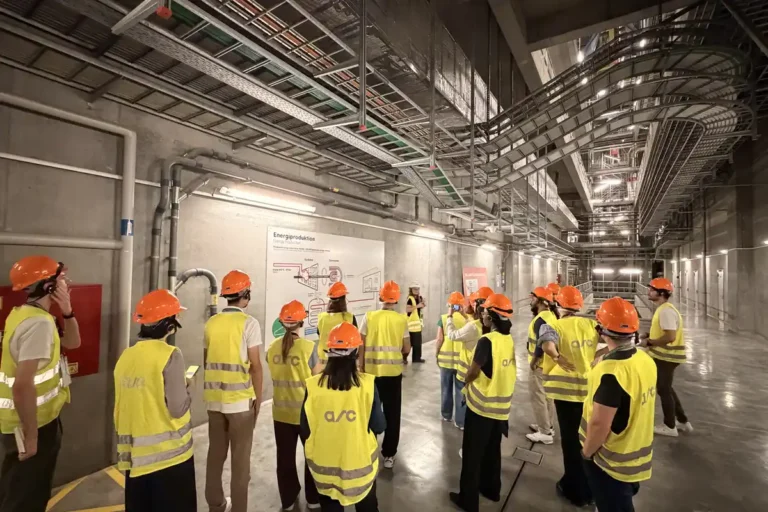
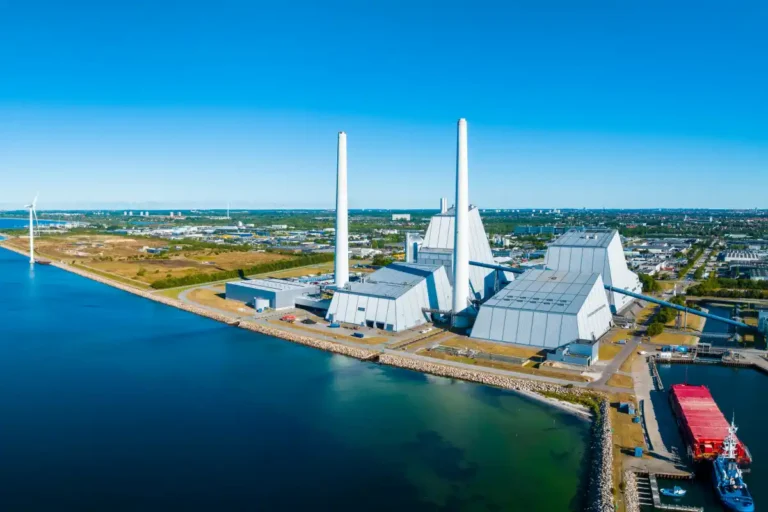
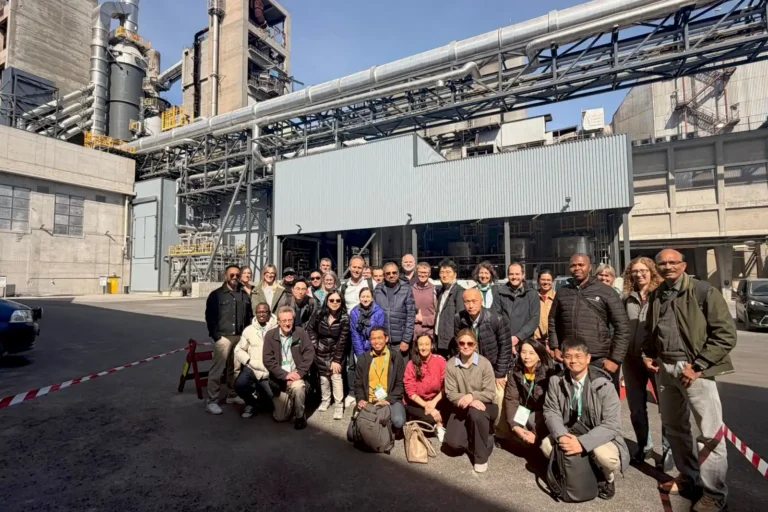
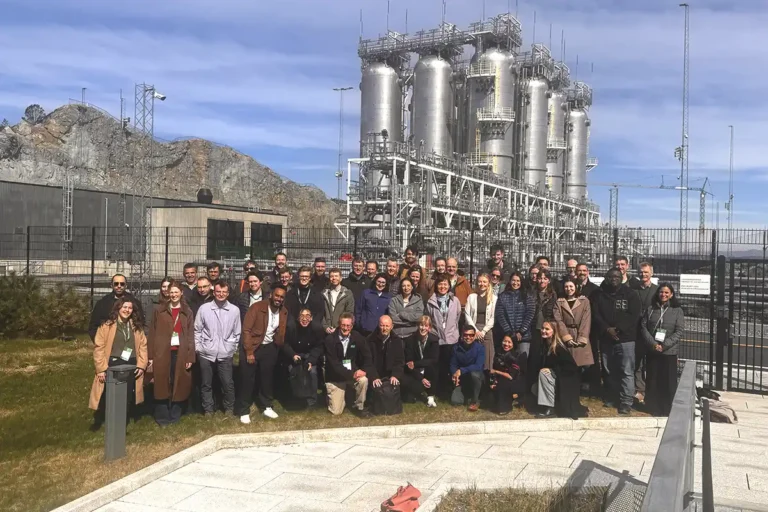
One of the defining features of the 2026 IEAGHG Summer School is the opportunity for participants to learn from internationally recognised experts working across the CCS sector. Not only was the lecture programme delivered by renowned CCS experts, but students also enjoyed a field trip day to ARC’s Amager Bakke waste-to-energy facility and Ørsted’s Avedøre Power Station (more to come on that in a follow-up blog!)
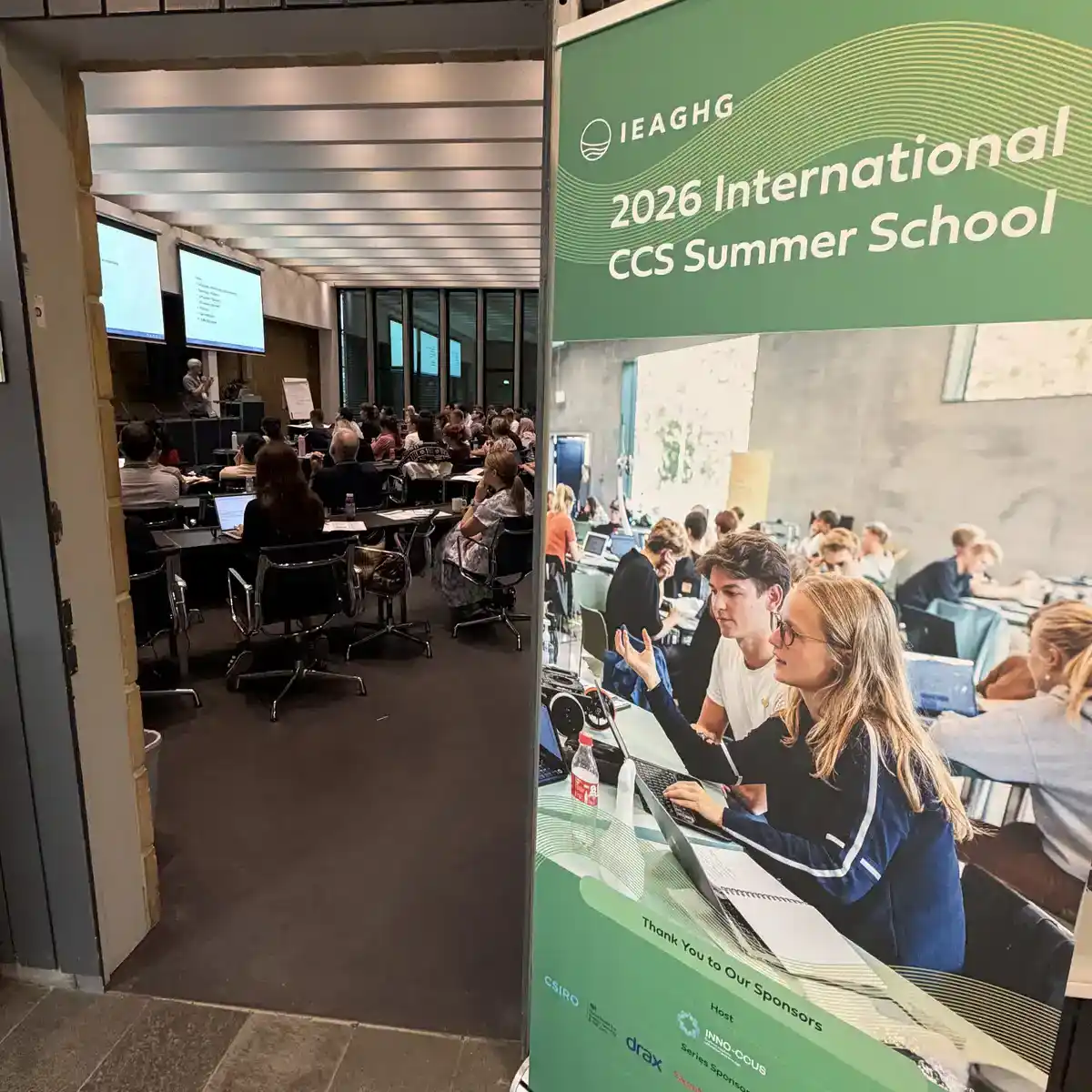
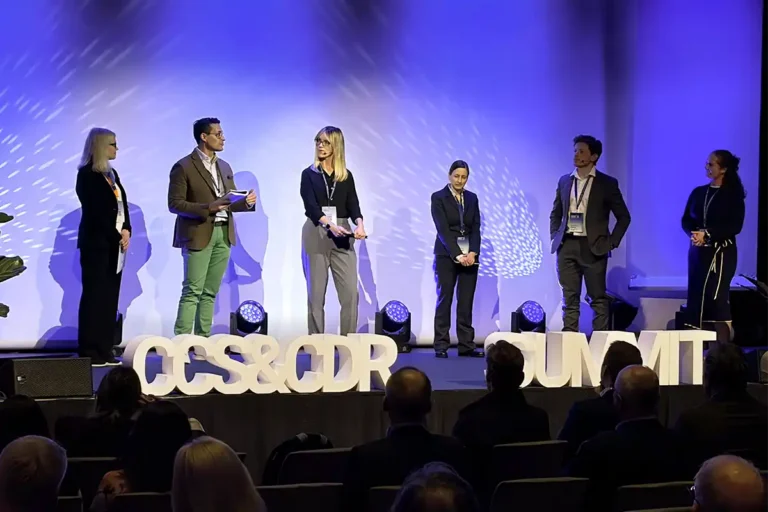
Not only did students have a jam-packed week of lectures and learnings on the field trip, but they were also tasked with group work throughout the week, which culminated in a morning of presentations on the Friday. Participants were divided into teams and took part in a consultancy-style exercise, tasked with developing expert recommendations on a different aspect of the Longship project – Norway’s flagship CCS initiative and Europe’s first fully integrated carbon management value chain. The interactive exercise proved to be one of the highlights of the week, bringing together policy, technical, and financial perspectives in a collaborative and engaging environment. Congratulations to all the teams for their thoughtful analysis and enthusiasm, with special recognition going to Team 6 for their winning recommendations on the costs and financing of the value chain. In addition to the award for the best presentation, two most outstanding students were chosen – well done to Maria Maigaard Paulsen (Denmark) and Katherine Rogers (Canada) for their hard work and diligence throughout the week!
As CCS moves from demonstration to large-scale deployment worldwide, developing the next generation of scientists, engineers, policymakers and industry leaders has never been more important. The Summer School continues to play a vital role in equipping emerging professionals with the technical knowledge, practical understanding and international connections needed to help deliver climate goals.
IEAGHG extends its sincere thanks to INNO-CCUS for hosting this year’s Summer School, and to all the speakers whose expertise and enthusiasm made the event such a success. Thanks especially go to the ongoing IEAGHG Summer School Series Sponsors – CSIRO, UK Department for Energy Security and Net Zero, Drax, ExxonMobil, Gassnova / CLIMIT, Swiss Federal Office of Energy, Shell and TotalEnergies, along with local sponsors CarbonCuts and TotalEnergies Denmark.
Most importantly, congratulations to the 49 participants whose curiosity, engagement and collaboration throughout the week demonstrated the bright future of the global CCS community. We look forward to seeing where your careers take you, and to welcoming many of you back to future IEAGHG events.
Other articles you might be interested in
Get the latest CCS news and insights
Get essential news and updates from the CCS sector and the IEAGHG by email.
Can't find what you are looking for?
Whatever you would like to know, our dedicated team of experts is here to help you. Just drop us an email and we will get back to you as soon as we can.
Contact Us Now